Friday, 11 April 2014

COLOURING CONTEST - TADIKA,NILAI


Program  ; PERTANDINGAN MEWARNA @ CERAMAH AGAMA 
                  SEMPENA "CHITTIRAI PUTTAANDU "
Tarikh ;     11 .04.2014 ( Jumaat )
Tempat ;    Kuil Sri Subramaniar - Pekan Nilai
Acara ;     #  Mewarna Gambar MH 370
                 #  Penerangan mengenai prihatin terhadap insan yang menderita
                 #  Pentingnya berdoa untuk orang yang kita tak kenali


                           CARA-CARA BERDOA UNTUK KESELAMATAN INSAN DALAM KEDERITAAN


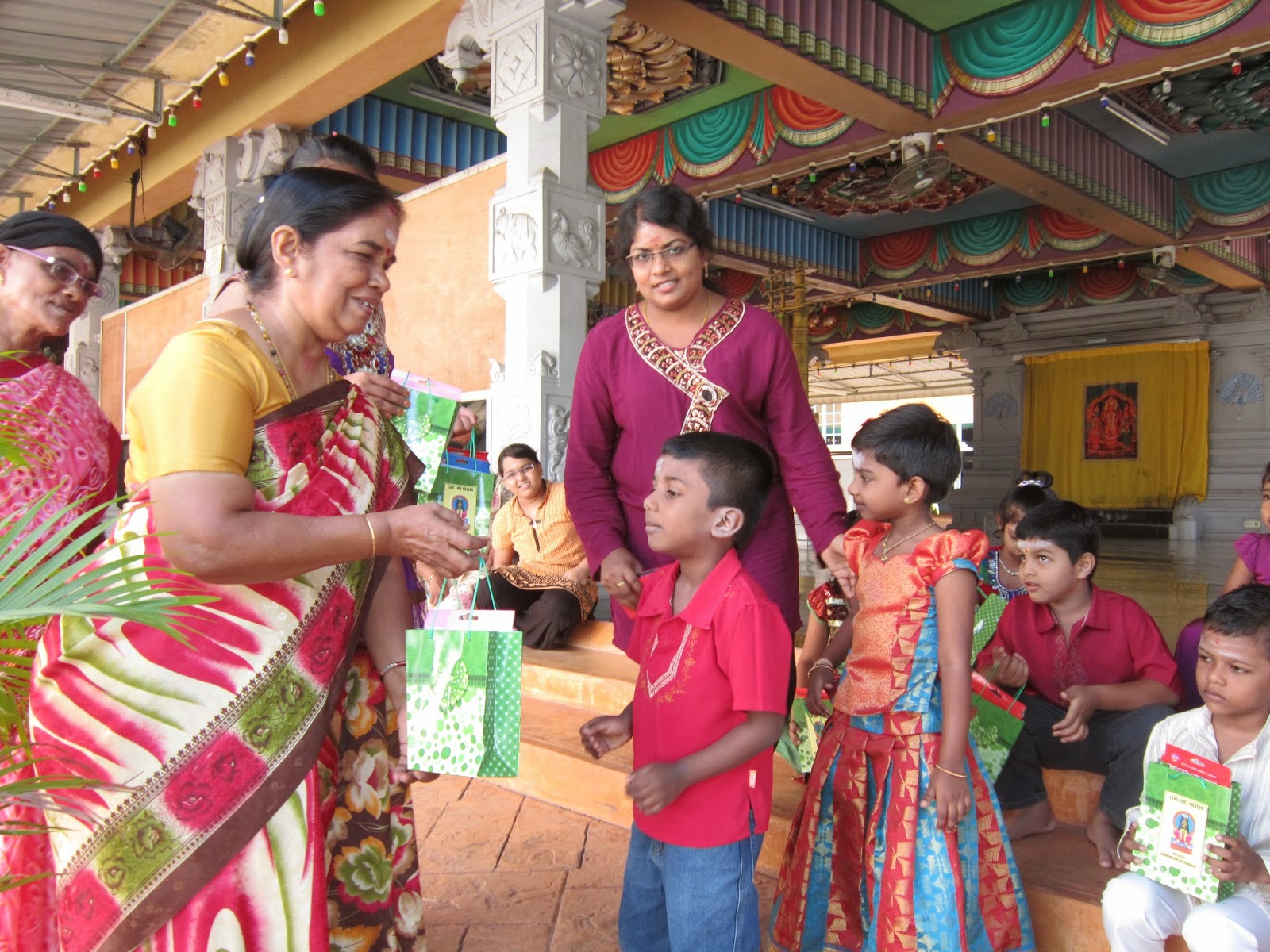
                             PENERIMAAN CENDERA MATA @ HADIAH DARI AJK MAMANDRAM


BERGAMBAR DENGAN PARA PELAJAR DAN GURU-GURU


                                              BERGEMBIRA DENGAN HADIAH

Sunday, 6 April 2014

science @ Hinduism 1

Science & Hinduism: amazing facts about our Ancestors


Oh, Hindus! wake up: This is Your Great, Glorious History

ARYABHATT (476 CE) MASTER ASTRONOMER AND MATHEMATICIAN

1Born in 476 CE in Kusumpur ( Bihar ), Aryabhatt's intellectual brilliance remapped the boundaries of mathematics and astronomy. In 499 CE, at the age of 23, he wrote a text on astronomy and an unparallel treatise on mathematics called 'Aryabhatiyam.' He formulated the process of calculating the motion of planets and the time of eclipses. Aryabhatt was the first to proclaim that the earth is round, it rotates on its axis, orbits the sun and is suspended in space - 1000 years before Copernicus published his heliocentric theory. He is also acknowledged for calculating p (Pi) to four decimal places: 3.1416 and the sine table in trigonometry. Centuries later, in 825 CE, the Arab mathematician, Mohammed Ibna Musa credited the value of Pi to the Indians, 'This value has been given by the Hindus.' And above all, his most spectacular contribution was the concept of zero without which modern computer technology would have been non-existent. Aryabhatt was a colossus in the field of mathematics.

PRISON REFORM

,,,,,,,,,,,,,,,,,,,,,,,,,,,,,,,,,,,,,,,,,,,,,,,,,,,,,,,,,,,,,,,,,,,,,,,,,,,,,,,,,,,,,,,,,,,,,,,,,,,,,,,,,,,,,,,,,,,,,,,,,,,,,,,,,,,,,,,,,,,,,,,,,,,,,,,,,,,,,,,,,,,,,
Science, Medicine, Technology in Ancient India

Science and technology in ancient and medieval India covered all the major branches of human knowledge and activities, including mathematics, astronomy, physics, chemistry, medical science and surgery, fine arts, mechanical and production technology, civil engineering and architecture, shipbuilding and navigation, sports and games
Ancient India was a land of sages, saints and seers as well as a land of scholars and scientists. Ancient India's contribution to science and technology include:
  • Mathematics - Vedic literature is replete with concepts of zero, the techniques of algebra and algorithm, square root and cube root. Arguably, the origins of Calculus lie in India 300 years before Leibnitz and Newton.
  • Astronomy - Rig Veda (2000 BC) refers to astronomy.
  • Physics - Concepts of atom and theory of relativity were explicitly stated by an Indian Philosopher around 600 BC.
  • Chemistry - Principles of chemistry did not remain abstract but also found expression in distillation of perfumes, aromatic liquids, manufacturing of dyes and pigments, and extraction of sugar.
  • Medical science & surgery - Around 800 BC, first compendium on medicine and surgery was complied in ancient India.
  • Fine Arts - Vedas were recited and recitation has to be correct, which gave rise to a finer study of sound and phonetics. The natural corollary were emergence of music and other forms of performing arts.
  • Mechanical & production technology - Greek historians have testified to smelting of certain metals in India in the 4th century BC.
  • Civil engineering & architecture - The discovery of urban settlements of Mohenjodaro and Harappa indicate existence of civil engineering & architecture, which blossomed to a highly precise science of civil engineering and architecture and found expression in innumerable monuments of ancient India.
  • Shipbuilding & navigation - Sanskrit and Pali texts have several references to maritime activity by ancient Indians.Sports & games - Ancient India is the birth place of chess, ludo, snakes and ladders and playing cards
  • ....................................................................................................................................
'''''''''''''''''''''''''''''''''''''''''''''''''''''''''''''''''''''''''''''''''''''''''''''''''''''''''''''''''''''''''''''''''''''''''''''''''''''''''''''''''''''''''''''''''''''''''''''''''''''''''''''''''''''''''''''''''''''''''

Saylor.org's Ancient Civilizations of the World/Literature, Science, and Art During the Gupta Age

Introduction


Krishna and Radha playing chaturanga on an 8x8 Ashtāpada.

Hindu art in the Gupta Age: Krishna Killing the Horse Demon Keshi
The peace and prosperity created under the leadership of the Guptas enabled the pursuit of scientific and artistic endeavors. This period is called the Golden Age of India and was marked by extensive inventions and discoveries in science, technology, engineering, art, dialectic, literature, logic, mathematics, astronomy, religion and philosophy that crystallized the elements of what is generally known as Hindu culture. The Gupta period produced scholars who made great advancements in many academic fields. Of particular importance are: Aryabhata, who is believed to be the first to come up with the concept of zero, postulated the theory that the Earth moves round the Sun, and studied solar and lunar eclipses. Kalidasa, a great playwright, who wrote plays such as Shakuntala, which is said to have inspired Goethe, and marked the highest point of Sanskrit literature. The famous Sushruta Samhita, which is a Sanskrit redaction text on all of the major concepts of ayurvedic medicine with innovative chapters on surgery, dates to the Gupta period. And Vatsyayana, who wrote the ancient Gupta text Kama Sutra, which is widely considered to be the standard work on human sexual behavior in Sanskrit literature.
//////////////////////////////////////////////////////////////////////////////////////////////////////////////////////////////////////////////


....................................................................................................................................................................................................


Sunday, 16 March 2014

AGM -LABU A/NILAYAM 2014

                         Program           ;  MESYUARAT AGONG TAHUNAN YANG KE-27
                                               M"SIA HINDU DHARMA MAMANDRAM-LABU     ARUL NILAYAM
Hari        ;    15 Mac 2014 ( Sabtu ) -
                      Tempat         ;   Sek.Ren.Jen.Keb (Tamil) -71900 Labu.NSDK
Pengerusi Mesyuarat Dari HQ      ; Dharma Mamani K>KumaraGurubaran

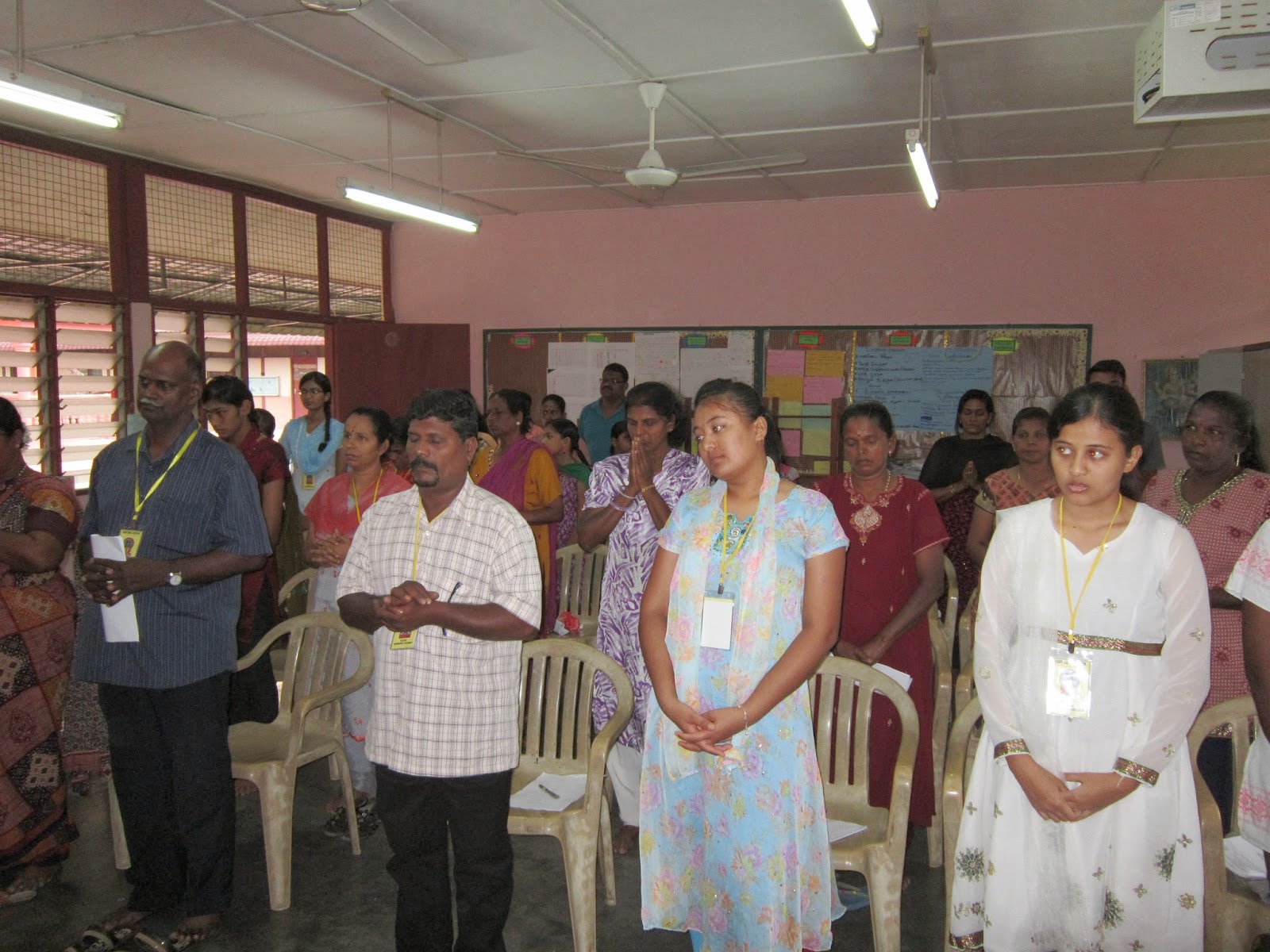
PUTRI DHARMA YANG MENYERTAI MESYUARAT TAHUNAN

SETIAUSAHA  K.RAMANI  DENGAN  PUTRI DHARMA  MAMANDRAM

DHARMA VARSINI S.LETCHUMI (Naib Pengerusi) SEDANG MEMPENGERUSIKAN MESYUARAT

PARA AHLI LABU ARUL NILAYAM

PENGERUSI MESYUARAT HQ -DHARMA MAMANI K.KUMARAKURUBARAN

                        DAN PENASIHAT CAW.DHARMAMAMANI EN.M.RAJANDRAN


PENGERUSI MESYUARAT HQ -En.K.Kumaragurubaran DAN NAIB PENGERUSI Pn.Letchumy


Wednesday, 12 March 2014

RELIGIOUS CLASS AT SRJK (T) LDG. KIRBY

 PROGRAM       ; KELAS MORAL @ AGAMA
 TEMPAT             ; S.R.J.K.(T) LDG. KIRBY.71900 LABU..NSDK
 TARIKH             ; 28 FEBRUARI 2014  ( JUMAAT )
 KORDINATOR ; K.RAMANI ( Setiausaha - Malaysia Hindu Dharma Mamandram -                                                              Labu ArulNilayam
UCAPAN KHAS ; Dharma Varshini S.LETCHUMI ( MHDM - AJK )
Pirarthanai conduct by K.RAMANI

STUDENTS SRJK (T) LDG. KIRBY


RELIGIOUS SPEECH BY K.RAMANI
PRACTICAL ACTIVITY - EXPLAIN ABOUT KANTHA PURANAM


DHARMA VARSHINI S.LETCHUMI